
Fill the form & we'll call you in 5 mins!
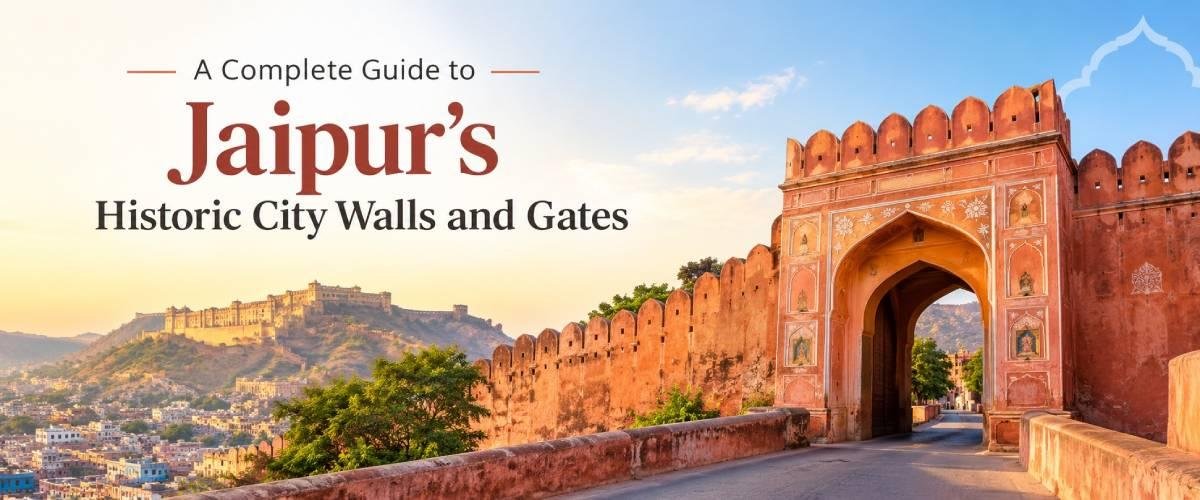
Jaipur, popularly known as the Pink City, is famous for its royal palaces, colourful markets, and remarkable architectural heritage. One of its most fascinating features is the historic city wall, built to protect the settlement and regulate entry through strategically positioned gates. These walls and gateways reflect the vision of Maharaja Sawai Jai Singh II, who founded Jaipur in 1727. Today, they offer visitors a glimpse into the city’s rich past and traditional urban planning. Exploring these landmarks through Rajasthan Tour Packages allows travellers to discover Jaipur’s historic streets, impressive gateways, and cultural attractions while experiencing the timeless charm of Rajasthan.
Jaipur was established in 1727 by Maharaja Sawai Jai Singh II, who planned the city according to principles of traditional Indian architecture and organised urban design. The historic walled city was laid out with broad streets, commercial areas, residential neighbourhoods, and designated entrances.
The surrounding wall helped define the city's boundaries, regulate movement, and provide an additional layer of defence. It also supported the administration of a growing settlement that became an important centre for trade, craftsmanship, and royal activities.
Although Jaipur has expanded significantly beyond its original boundaries, parts of its historic wall and several traditional gateways remain important reminders of its architectural and cultural identity.
The gates of Jaipur were designed to connect the walled city with surrounding roads and settlements. They played an important role in controlling entry and directing movement towards commercial and residential areas.
Some well-known historic gates include:
Each gateway contributes to understanding how the city's movement, trade, and neighbourhoods were organised.
Jaipur's historic walls and gates reflect traditional construction techniques and the city's distinctive architectural style. The gateways feature substantial masonry, decorative details, and openings designed to accommodate movement through the city.
The walls established a physical boundary around the original settlement, while the gates provided controlled access. Their design demonstrates how security and practical urban planning were integrated into the city's development.
Over time, urban expansion and modern infrastructure have changed parts of the historic landscape. Conservation efforts are important for preserving surviving sections, traditional buildings, and the visual character of the old city.
Jaipur's historic gates provide convenient starting points for discovering the colourful markets of the walled city.
Johari Bazaar is known for jewellery and gemstones, while Bapu Bazaar attracts visitors with textiles, traditional footwear, and handicrafts. Chandpole Bazaar offers opportunities to explore traditional products and local craftsmanship.
Walking through these streets allows visitors to experience the living heritage of Jaipur. The markets are not simply shopping destinations; they also reflect the city's longstanding trading traditions and the relationship between commerce and urban planning.
A Car Rental In Jaipur can provide a convenient way to travel between the historic gates, markets, and other attractions around the city for travellers who want to explore several landmarks comfortably.
Jaipur's historic walled city was inscribed on the UNESCO World Heritage List in 2019. Its significance comes from its planned urban layout, distinctive architecture, traditional commercial streets, and living cultural heritage.
The city's grid-based organisation, public spaces, historic buildings, and active markets illustrate a thoughtful approach to urban planning in eighteenth-century India.
This recognition also highlights the importance of protecting historic structures from inappropriate alterations, excessive traffic pressures, and neglect. Visitors can support heritage conservation by respecting local customs, avoiding damage to historic buildings, and following site guidelines.
A Luxury Tempo Traveller in Jaipur can make travelling between major attractions more comfortable for families and larger groups planning a heritage excursion.
To make the most of your visit, start early in the morning when the streets are generally more comfortable for walking and photography. Wear comfortable footwear, carry drinking water, and allow time to explore the surrounding markets.
While remember that many gates are part of active roads and everyday city life. Follow traffic rules, use safe pedestrian crossings, and avoid obstructing entrances while taking photographs.
When hiring a knowledgeable local guide can also help you understand the historical significance of individual gateways and the development of Jaipur's walled city.
Jaipur's historic city walls and gates offer a fascinating insight into the vision, defence, and urban planning behind the Pink City. From Ajmeri Gate and Chandpole Gate to the vibrant markets within the walled city, these landmarks connect visitors with centuries of history and cultural traditions. Preserving them ensures that future generations can appreciate Jaipur's architectural heritage and historic identity. With Parth Sarthi Tours, travellers can plan a memorable journey through Jaipur and discover the city's remarkable gates, heritage streets, and cultural attractions with greater convenience.